Dr Nadir Kana practises independently at Netcare Milpark Hospital in Johannesburg, where skull-base procedures are planned and performed jointly with neurosurgical colleagues.
What is the skull base?
The skull base is the bony floor that separates the brain from the structures of the face, nose, ears and upper neck. Critical nerves and blood vessels pass through small openings in this region, including the optic nerves, the facial nerve and the internal carotid arteries.
Because the anatomy is complex, conditions in this area are usually managed by a team that combines otorhinolaryngology (ENT) and neurosurgery, with input from radiology, endocrinology, oncology and anaesthesia.
Endoscopic endonasal approach
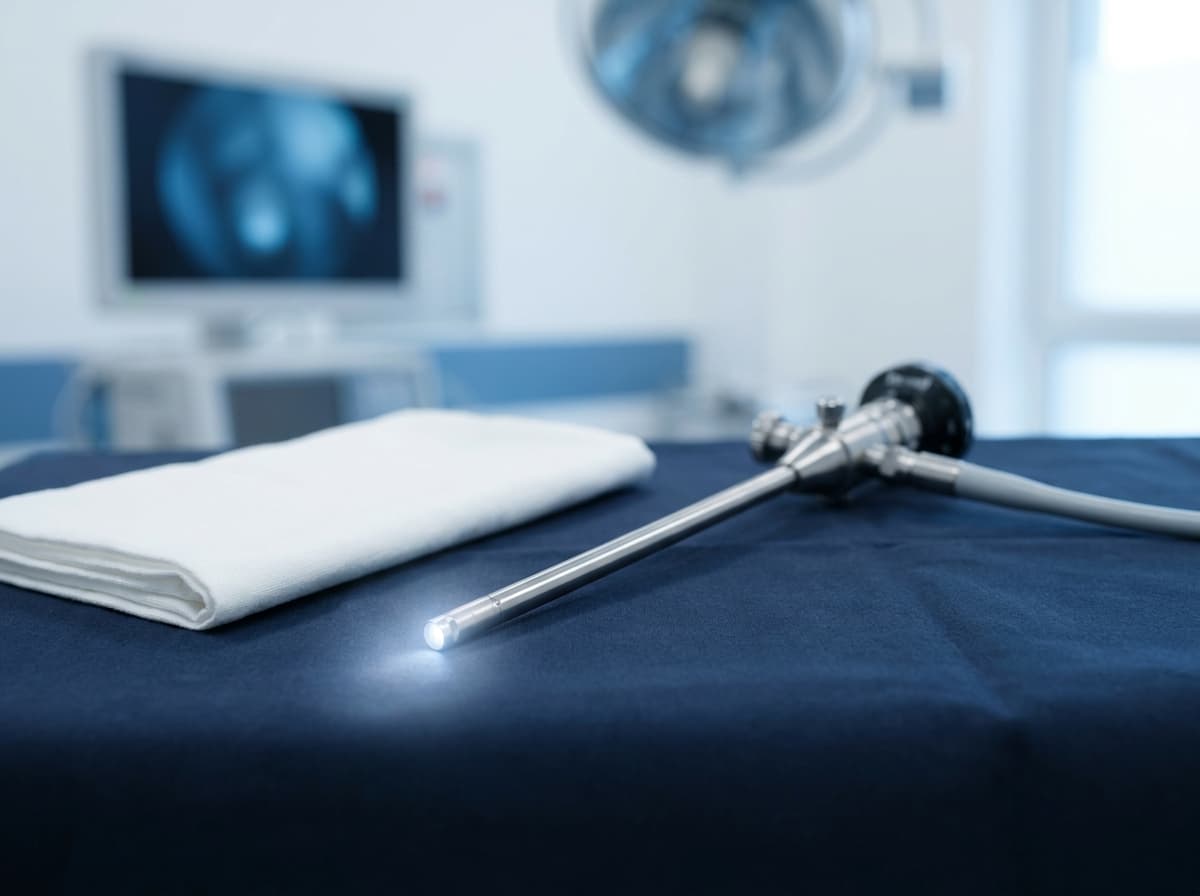
Many lesions of the anterior skull base and pituitary region can be reached through the nasal passages using rigid endoscopes and specialised instruments. This approach avoids external facial incisions and, where clinically appropriate, reduces the need to retract brain tissue.
At the end of the procedure the opening in the skull base is carefully rebuilt, commonly using a flap of tissue from inside the nose. This step is essential for preventing a leak of cerebrospinal fluid after surgery.
Lateral skull base and temporal bone
Tumours such as vestibular schwannomas arise near the inner ear and facial nerve. Management options include observation with serial MRI, stereotactic radiotherapy, or microsurgical resection. The choice depends on tumour size, growth, hearing status, age and the patient's own priorities.
Where surgery is recommended, intraoperative facial nerve monitoring is used to support nerve preservation. The specific risks, including hearing loss and facial weakness, are discussed in detail during consultation.
Postoperative care
Patients having major skull-base procedures are admitted to Netcare Milpark Hospital, and high care or intensive care is arranged where the procedure requires it. The expected length of stay, follow-up imaging schedule and activity restrictions are provided in writing before surgery.
Treatments in this area
- Endoscopic endonasal skull-base surgery
- Vestibular schwannoma (acoustic neuroma) resection
- Transsphenoidal pituitary adenoma surgery
- Cerebrospinal fluid (CSF) leak repair
- Anterior skull-base reconstruction
Your care team may include: ENT and head & neck surgery, Neurosurgery, Neuroradiology, Endocrinology and ophthalmology where indicated, Adult intensive care.